


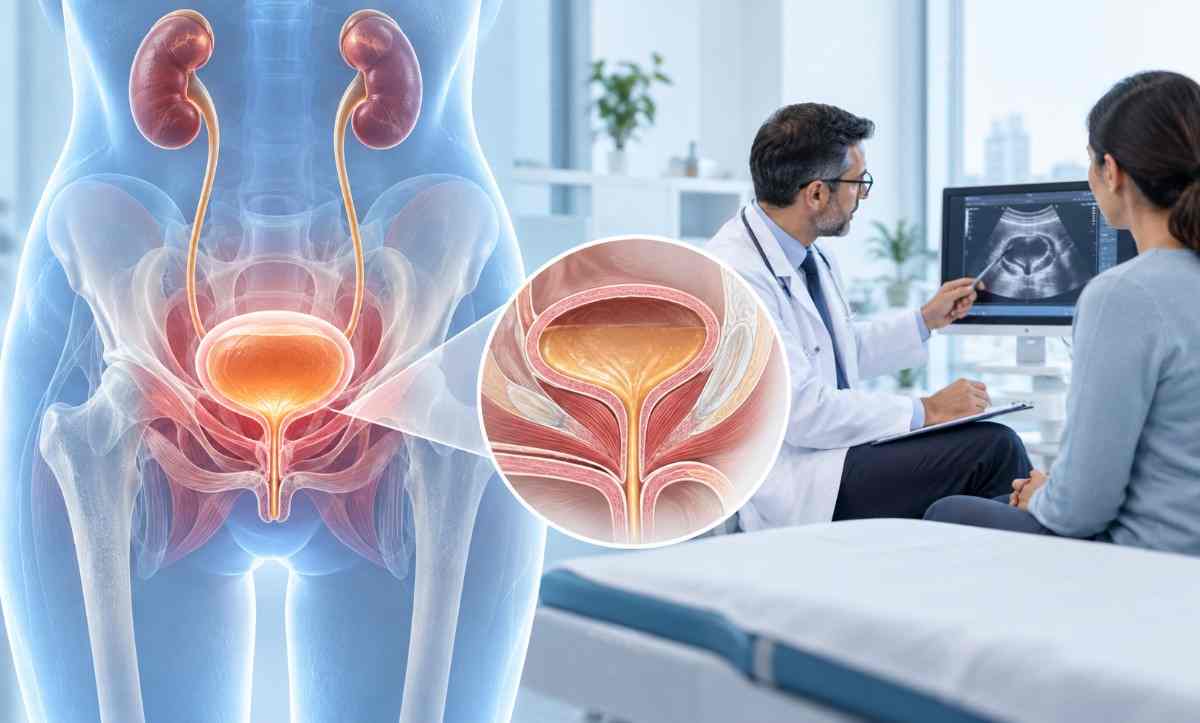
Regain Control and Confidence
At Mahavir Hospital, we offer empathetic and advanced treatment for Urinary Incontinence, the involuntary leakage of urine. We understand that this condition can be socially embarrassing and restrict your daily activities. Our expert urologists are dedicated to accurately diagnosing the specific type of incontinence you have—whether it's stress, urge, or overflow incontinence—and designing an effective treatment plan to restore your bladder control.
Our approach ranges from conservative management, including lifestyle modifications, pelvic floor therapy, and medications, to advanced minimally invasive surgical procedures like sling surgeries. We focus on providing personalized solutions that drastically improve your quality of life.
Why Choose Mahavir Hospital?
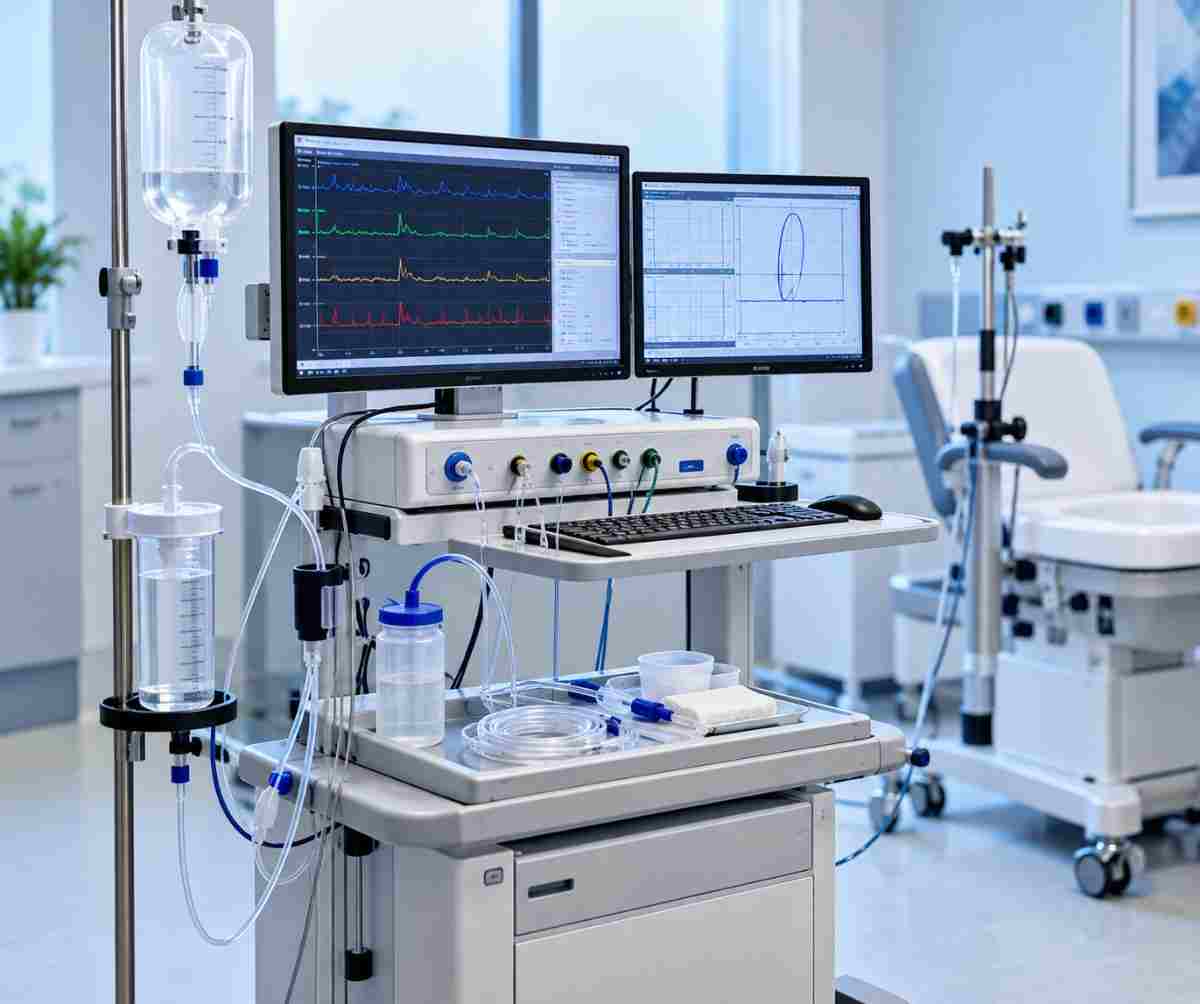
We provide a discreet, comfortable environment where you can discuss your symptoms openly. Our specialists use cutting-edge urodynamic testing to pinpoint the exact cause of your bladder dysfunction, ensuring the treatment selected yields the best possible results.
- Comprehensive urodynamic testing for accurate diagnosis
- Wide range of treatments from behavioral therapy to surgery
- Compassionate care tailored to both men and women
- Expert urologists with experience in complex bladder issues

Frequently asked questions
Incontinence FAQs
The main types are Stress Incontinence (leakage during coughing or lifting), Urge Incontinence (sudden, intense urge to urinate followed by leakage), Overflow Incontinence (frequent dribbling due to incomplete emptying), and Mixed Incontinence.
Yes. Fluid management, dietary changes (like reducing caffeine and alcohol), bladder training, and pelvic floor muscle exercises (Kegel exercises) can significantly improve symptoms for many patients.
No, surgery is typically considered only when conservative treatments, like physical therapy or medications, have not provided adequate relief. Many patients find success without needing surgery.
Your doctor will review your medical history, perform a physical exam, and may ask you to keep a bladder diary. Initial tests like a urinalysis or a post-void residual measurement may be done to understand your condition better.