


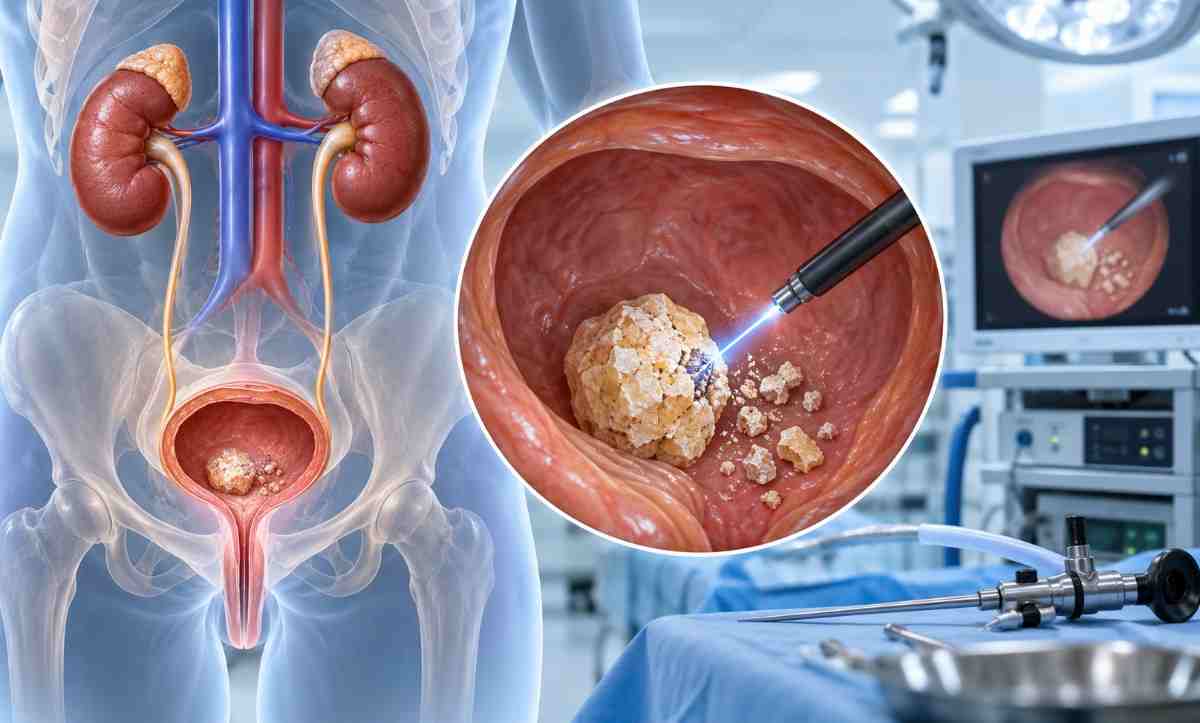
Comprehensive Care for Bladder Stones
At Mahavir Hospital, we specialize in the diagnosis and treatment of bladder stones. These crystallized minerals can cause discomfort, frequent urination, and blockages if ignored. Our advanced urology department utilizes modern endoscopic procedures to safely break down and remove bladder stones without the need for large incisions.
Our dedicated team of urologists assesses each patient carefully to identify the underlying cause of the bladder stones, such as an enlarged prostate (BPH) or urinary tract infections. This allows us not only to treat the stones but also to prevent their recurrence, ensuring a comprehensive approach to your urinary health.
Why Choose Mahavir Hospital?
We offer patient-centric care using state-of-the-art medical technology. From cystolitholapaxy (endoscopic stone crushing) to open surgery for extremely large stones, we are equipped to handle all complexities. Mahavir Hospital guarantees a hygienic, supportive, and technologically advanced environment for your treatment.
- Minimally invasive cystoscopic procedures for quick recovery
- Treatment of underlying conditions like prostate enlargement
- Experienced urological surgeons and dedicated care staff
- Advanced diagnostic tools for accurate stone localization

Frequently asked questions
Bladder Stone FAQs
Symptoms often include lower abdominal pain, frequent urination, difficulty or pain while urinating, blood in the urine (hematuria), and sometimes recurrent urinary tract infections (UTIs).
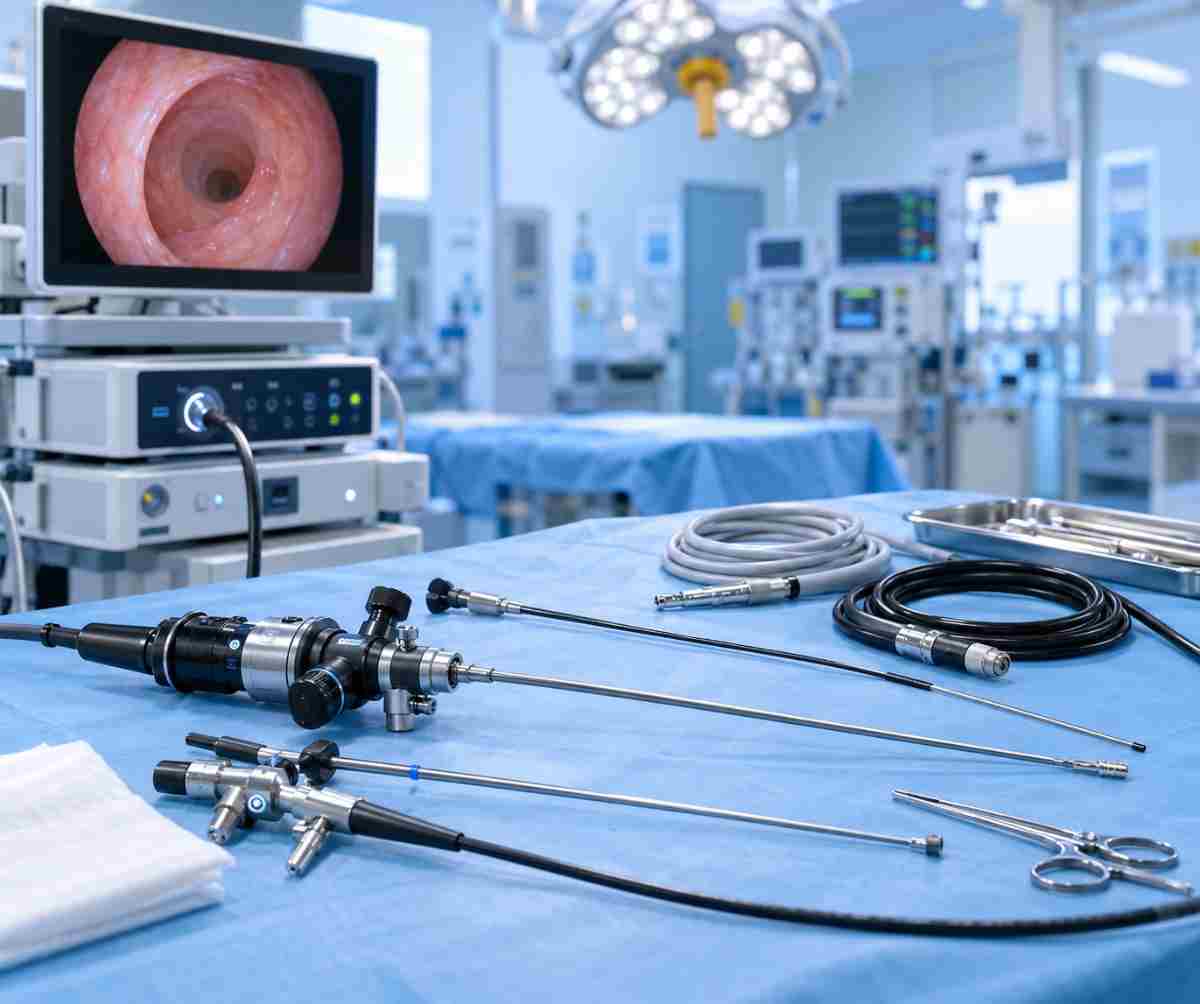
Most bladder stones are removed using a procedure called cystolitholapaxy. A small tube with a camera is passed through the urethra, and lasers or ultrasound devices are used to break the stone into smaller pieces, which are then flushed out.
Many bladder stone removal procedures are done on an outpatient basis or require just a short overnight stay. Your doctor will advise you based on the size of the stone and the procedure performed.
Bladder stones usually form when the bladder does not empty completely, allowing minerals in the concentrated urine to crystallize. This is commonly caused by an enlarged prostate, nerve damage (neurogenic bladder), or inflammation.