

Specialized Inguinal Hernia Treatment
An inguinal hernia is the most common type of hernia, occurring when tissue, such as part of the intestine, protrudes through a weak spot in the abdominal muscles within the groin area. It can cause a visible bulge and significant pain, especially when coughing, bending over, or lifting heavy objects. At Mahavir Hospital, our general surgery team is highly experienced in diagnosing and treating inguinal hernias using the most advanced techniques available today.
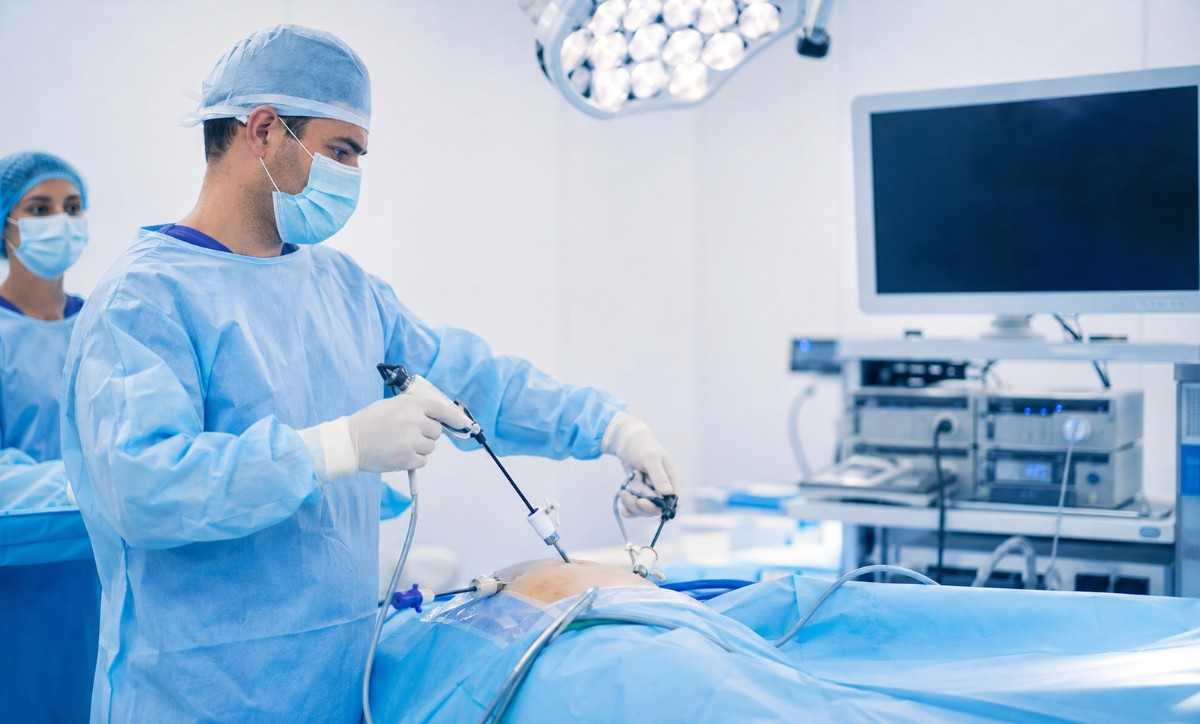
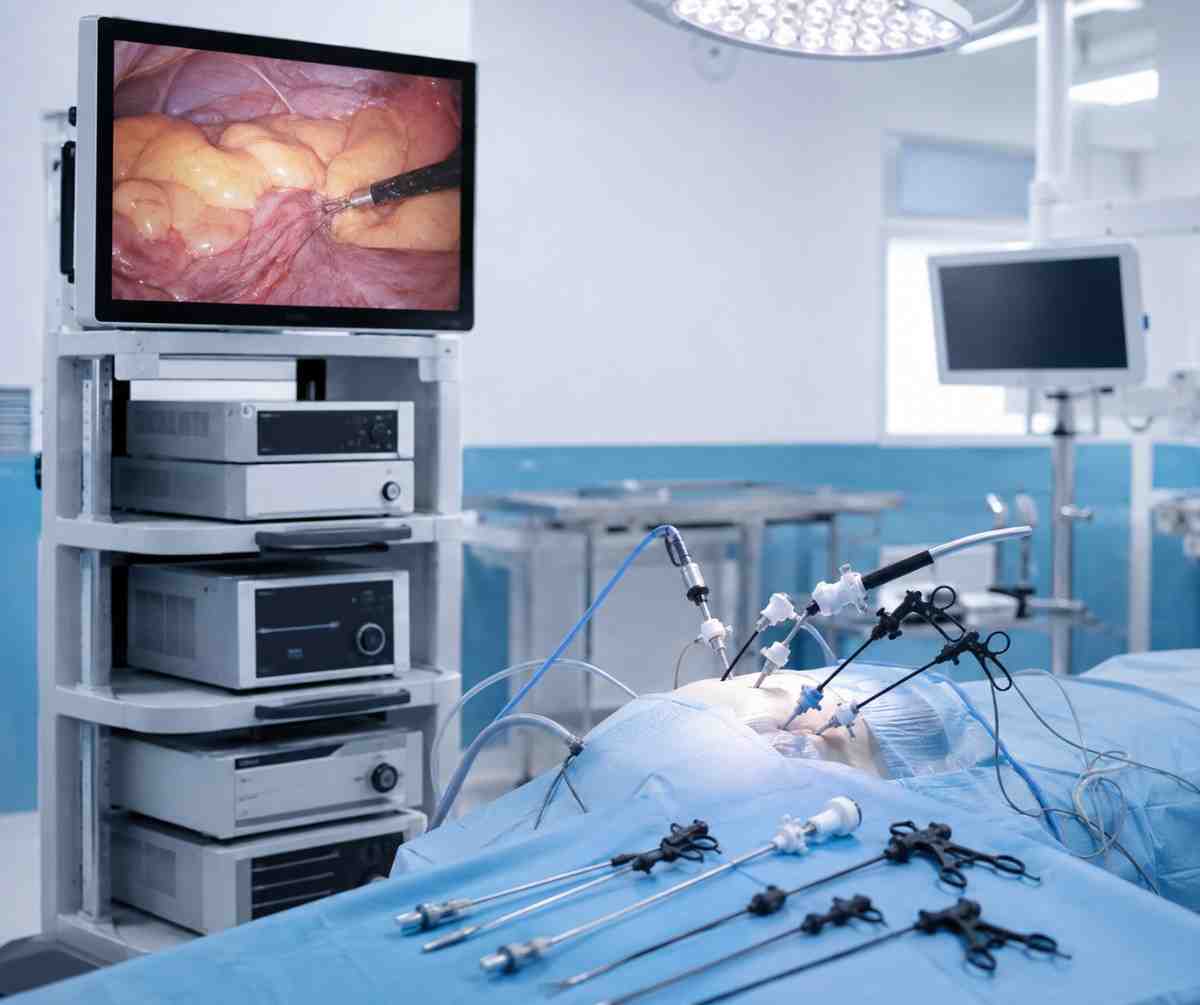
While an inguinal hernia isn't necessarily dangerous by itself, it does not improve on its own and can lead to serious complications. Our specialists employ state-of-the-art laparoscopic repair methods, utilizing a flexible mesh to strengthen the abdominal wall. This approach ensures excellent outcomes, minimal scarring, and a much faster recovery compared to traditional methods.
Expert Care Tailored for Your Recovery
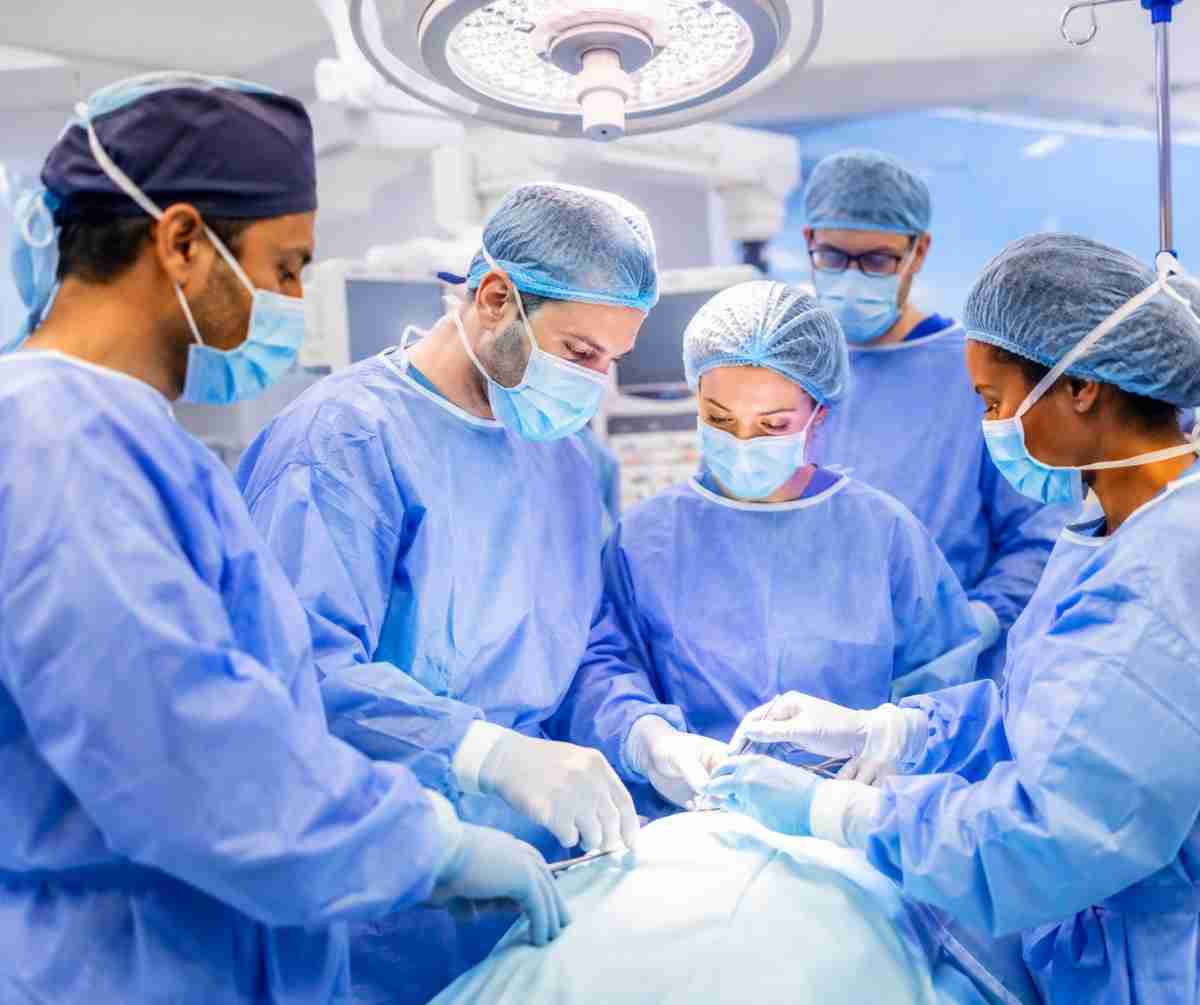
At Mahavir Hospital, we prioritize patient safety and comfort. We conduct a thorough examination and discuss the best surgical approach—open or laparoscopic—based on the specific characteristics of your hernia and your overall health. Our goal is to perform a robust repair while ensuring you experience minimal postoperative pain and a swift return to your daily routines.
- Precision laparoscopic repair for minimal tissue trauma
- High-quality synthetic mesh to prevent recurrence
- Same-day or short-stay surgical options
- Comprehensive postoperative care and guidance
Frequently asked questions
Inguinal Hernia FAQs
The most noticeable symptom is a bulge in the groin area on either side of your pubic bone. You may also experience a burning or aching sensation at the bulge, pain when lifting or coughing, and a heavy or dragging sensation in your groin.
Laparoscopic surgery is often preferred because it requires smaller incisions, which leads to less postoperative pain and a quicker recovery time. However, the best approach depends on individual factors, and our surgeons will recommend the most appropriate method for you.
You will be advised to walk soon after surgery, but you must avoid strenuous exercise and heavy lifting for at least 4 to 6 weeks. Your surgeon will provide specific guidelines on when it is safe to resume regular exercise routines.
An untreated inguinal hernia can grow larger and more painful. In severe cases, part of your intestine can become trapped (incarcerated) in the abdominal wall. This can cut off blood flow to the tissue (strangulation), which is a life-threatening emergency requiring immediate surgery.