

Expert Care for Hiatus Hernia
A hiatus hernia (or hiatal hernia) occurs when the upper part of your stomach bulges through the large muscle separating your abdomen and chest (the diaphragm). While small hiatus hernias often cause no problems, a large hiatus hernia can allow food and acid to back up into your esophagus, leading to severe heartburn, acid reflux (GERD), and difficulty swallowing. At Mahavir Hospital, we provide comprehensive diagnostics and advanced surgical treatments to resolve these debilitating symptoms.
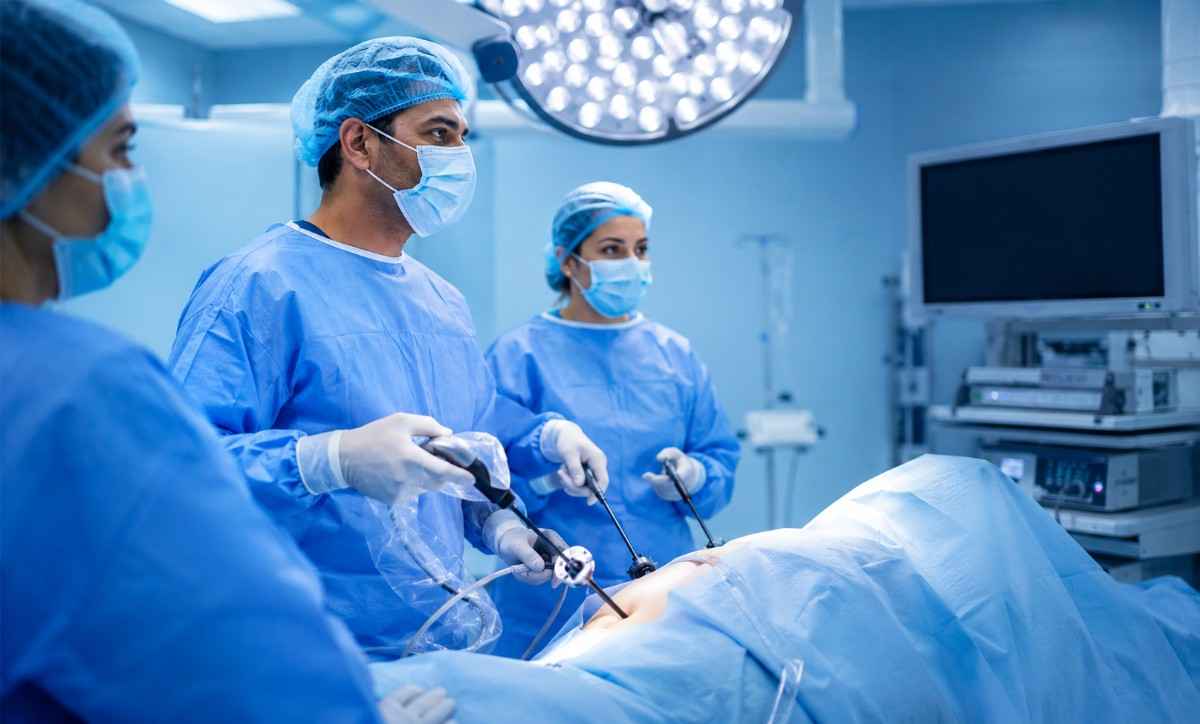
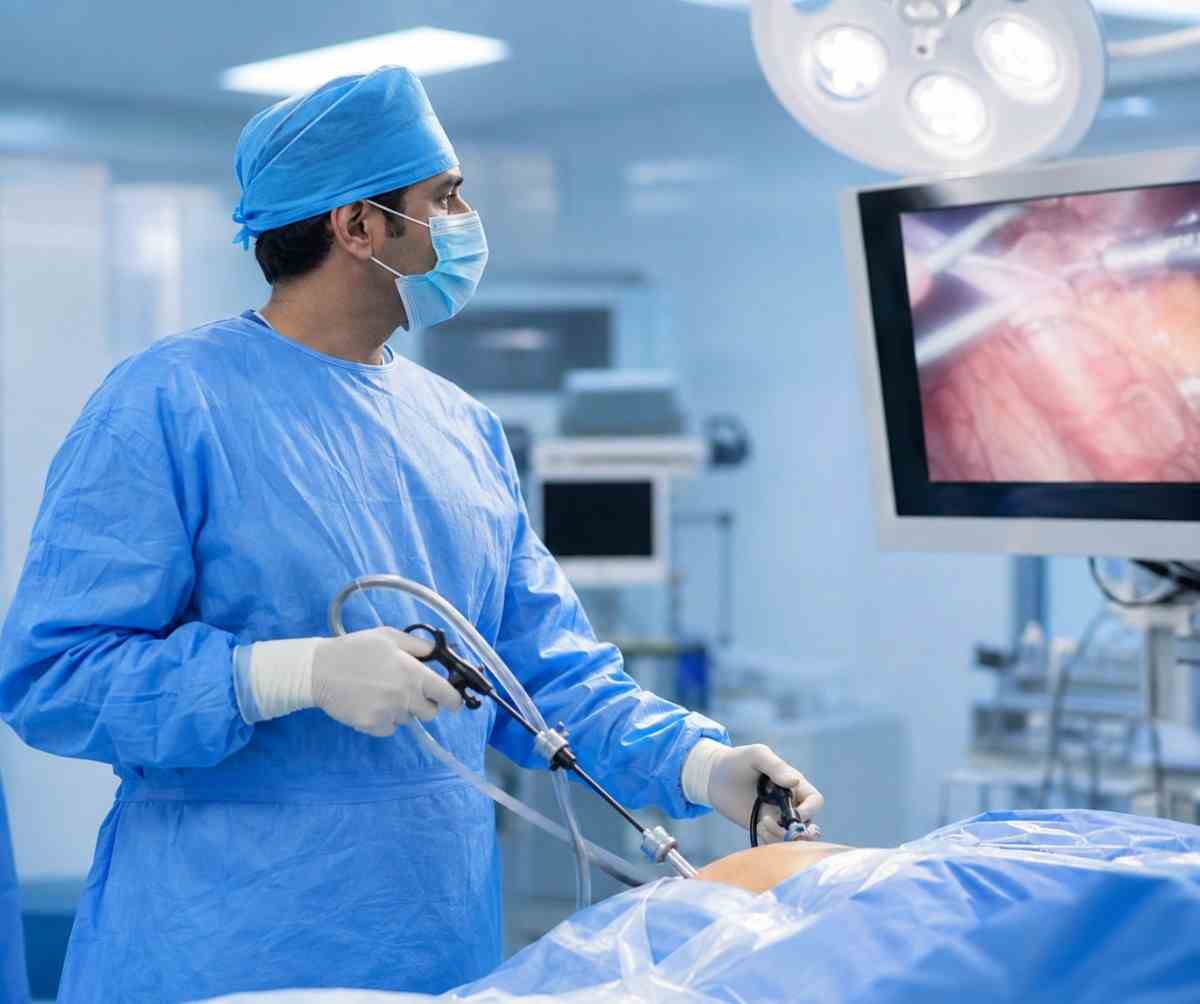
For patients whose symptoms are not controlled by medications or lifestyle changes, our general surgery team specializes in laparoscopic anti-reflux surgery (such as Nissen fundoplication). This minimally invasive procedure involves repairing the hiatal hernia and strengthening the valve between the esophagus and stomach, providing long-term relief from acid reflux.
Why Choose Us for Hiatal Hernia Repair?
At Mahavir Hospital, we are dedicated to improving your quality of life. We use advanced diagnostic tools like endoscopy and manometry to precisely evaluate your condition. Our surgeons are experts in minimally invasive techniques, ensuring that your surgery is as safe and effective as possible. With smaller incisions, you will experience less pain and a significantly faster recovery compared to traditional open surgery.
- Advanced laparoscopic techniques for faster healing
- Long-term relief from severe acid reflux and GERD
- Expert surgeons specialized in complex hiatal repairs
- Comprehensive pre-surgical and post-surgical care

Frequently asked questions
Hiatus Hernia FAQs
Many small hiatus hernias cause no symptoms. However, larger ones can cause heartburn, acid reflux, regurgitation of food or liquids into the mouth, backflow of stomach acid into the esophagus, difficulty swallowing, chest or abdominal pain, and shortness of breath.
No, many people manage their symptoms with lifestyle modifications (like eating smaller meals and avoiding trigger foods) and antacid medications. Surgery is usually recommended only when these conservative treatments fail to provide relief or if complications arise.
Nissen fundoplication is the most common surgery for a hiatus hernia. During this procedure, the surgeon wraps the upper part of the stomach (fundus) around the lower esophagus to reinforce the sphincter, preventing acid from backing up into the esophagus.
When performed laparoscopically, most patients can go home within a day or two and return to normal, non-strenuous activities within two to three weeks. You will also be placed on a specific, soft diet for several weeks to allow the esophagus and stomach to heal properly.